
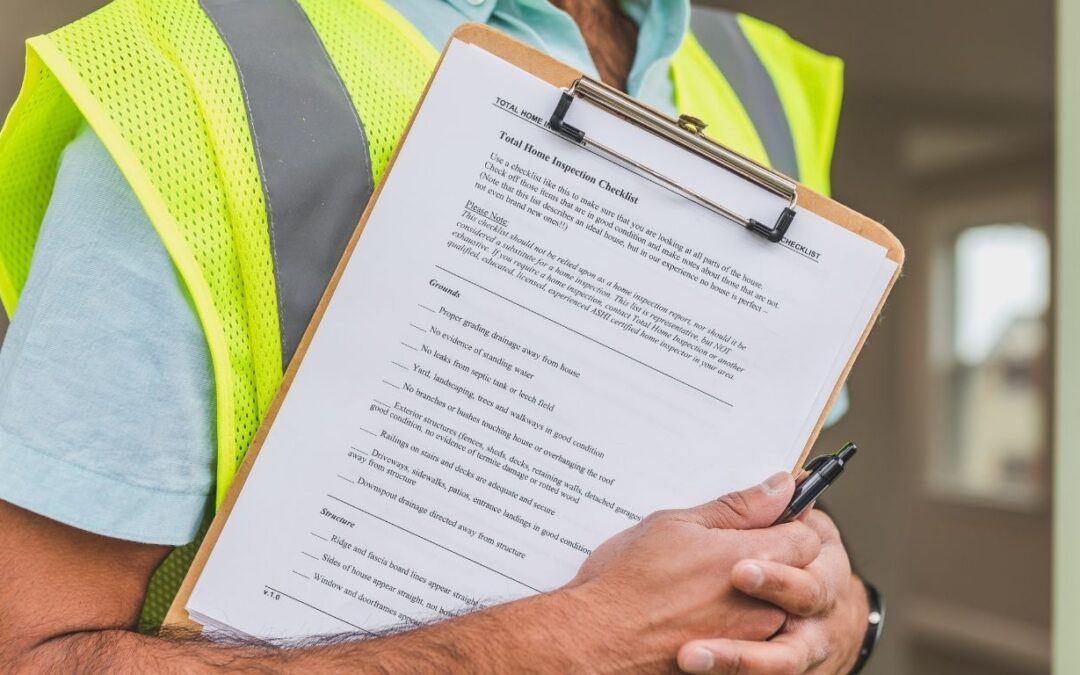
Garage Door Maintenance Checklist: Keep Your Door Safe and Reliable
Your garage door is probably the largest and heaviest moving object in your home. It may open and close several times every day, yet it is easy to overlook until it becomes noisy, stops working, or leaves a vehicle trapped inside the garage.
Routine garage door maintenance can help reduce unnecessary wear, identify developing problems, improve safety, and extend the useful life of the door and opener. A few simple inspections can be performed by a homeowner, but springs, lifting cables, bottom brackets, and other high-tension components should always be serviced by a trained garage door technician.
Use this garage door maintenance checklist to help keep your system operating safely and reliably throughout the year.
How Often Should You Maintain Your Garage Door?
Homeowners should visually inspect and test their garage doors approximately once a month. A more thorough maintenance check can generally be completed twice a year, although doors exposed to frequent use, dust, moisture, extreme temperatures, or coastal air may need more attention.
A practical schedule includes:
- Monthly: Observe movement, listen for unusual noises, inspect visible hardware, and test the opener’s safety features.
- Every six months: Clean the tracks, lubricate approved moving parts, inspect weather seals, check hardware, and review the opener.
- Annually: Schedule a professional garage door inspection and tune-up.
- Immediately: Request service whenever the door becomes crooked, unusually heavy, jerky, excessively noisy, or unreliable.
Commercial garage doors and high-use residential doors may need more frequent professional maintenance because they complete more operating cycles.
Monthly Garage Door Maintenance Checklist
1. Watch and Listen to the Door
Stand inside the garage and operate the door through one complete opening-and-closing cycle. Keep people, pets, vehicles, and belongings away from the opening while you observe it.
A properly functioning garage door should move smoothly and consistently. Pay attention to whether both sides of the door remain level and move at approximately the same speed.
Watch and listen for:
- Jerking or shaking
- Grinding, scraping, squeaking, or popping
- A door that moves unevenly
- Delayed opener response
- Excessive vibration
- A door that stops or reverses unexpectedly
- Gaps between rollers and tracks
- An opener motor that strains
- One side of the door hanging lower than the other
A sudden change in sound or movement can be an early warning of worn rollers, loose hardware, damaged tracks, spring problems, opener trouble, or improper door balance.
Do not repeatedly operate a door that is crooked, off track, or moving unpredictably.
2. Inspect the Garage Door Springs
Garage door springs counterbalance the weight of the door. Torsion springs are typically mounted above the closed door, while extension springs are generally positioned along the horizontal tracks.
From a safe distance, look for:
- A visible gap in a torsion spring
- Stretching, separation, or distortion
- Rust or corrosion
- A loose or displaced spring
- A missing safety cable on an extension-spring system
- Uneven spring appearance
- A door that has suddenly become difficult to lift
Never touch, tighten, loosen, adjust, or replace a garage door spring yourself. Springs store substantial energy and can cause serious injury if handled improperly.
If you suspect a broken or damaged spring, stop using the door and contact a garage door professional.
3. Examine the Lifting Cables
The lifting cables work with the springs to raise and lower the garage door. They are commonly located near the bottom corners of the door and wind around cable drums on many torsion-spring systems.
Visually inspect the accessible portions of the cables for:
- Fraying
- Broken strands
- Rust or corrosion
- Slack
- Uneven positioning
- A cable hanging beside the door
- A cable that has slipped from a drum
- One side of the door sitting lower than the other
Do not touch, pull, reconnect, or attempt to replace a damaged lifting cable. The cables and bottom brackets may be under substantial spring tension, even when the garage door is closed.
4. Check the Rollers and Hinges
Rollers guide the garage door through its tracks, while hinges allow the door sections to bend as they move from the vertical to the horizontal position.
Inspect the rollers for:
- Cracks or chips
- Worn edges
- Excessive wobbling
- Bent stems
- Seized bearings
- Rollers that have left the track
Inspect the hinges for:
- Cracks
- Bending
- Loose or missing fasteners
- Rust
- Separation from the door
- Elongated mounting holes
A damaged roller or hinge can make the door noisy and unstable. Some roller brackets and hinges may be connected to parts under tension, so replacement should be performed by a qualified technician.
5. Inspect the Tracks and Mounting Brackets
The tracks should remain properly aligned and securely attached to the garage framing. Examine the visible track surfaces and mounting points without placing your hands inside the tracks.
Look for:
- Dents or bends
- Loose track brackets
- Missing fasteners
- Gaps between track sections
- Scraping marks
- Debris in the roller path
- Rollers rubbing against track edges
- Track movement while the door operates
You can remove loose leaves, dirt, and spiderwebs from accessible areas with a soft cloth or vacuum. Do not attempt to straighten bent tracks or force displaced rollers back into position.
6. Check the Garage Door Panels
Inspect both the exterior and interior surfaces of the garage door.
Depending on the door material, look for:
- Cracks or splits
- Dents
- Rust
- Peeling paint or damaged finish
- Water damage
- Rot in wood doors
- Loose glass
- Separating panel layers
- Bent reinforcement struts
- Gaps between sections
Panel damage can affect more than appearance. A severely bent or weakened section may change how the door travels and place additional strain on the rollers, hinges, tracks, and opener.
7. Inspect the Bottom Seal and Weatherstripping
Weather seals help reduce drafts, water intrusion, dust, insects, and outdoor debris. Examine the rubber or vinyl seal along the bottom of the door and the weatherstripping around the sides and top.
Replace weatherstripping if it is:
- Cracked
- Brittle
- Torn
- Flattened
- Missing
- Pulling away from the door or frame
- Allowing visible daylight around the closed door
A damaged bottom seal can also allow leaves, rainwater, rodents, and insects into the garage.
If daylight appears only on one side beneath the door, the problem could involve the floor, seal, track alignment, cable system, or door balance. Have an uneven door professionally inspected.
Test the Garage Door Opener’s Safety Features
8. Test the Photo-Eye Sensors
Automatic garage door openers use photo-eye sensors near the bottom of the door opening. The sensors project an invisible beam across the doorway. If something interrupts that beam while the door is closing, the opener should stop and reverse the door.
To test the sensors:
- Open the garage door completely.
- Place a suitable object in the path of the sensor beam without standing beneath the door.
- Use the remote or wall control to close the door.
- Confirm that the door does not close while the beam is blocked.
If the door closes despite the obstruction, stop using the automatic opener and arrange service.
You should also check that:
- Both sensors are securely mounted
- The lenses are clean
- Indicator lights are steady
- Wires are not loose, cut, or damaged
- Stored items do not block the beam
Never bypass, raise, or disable the photo-eye sensors.
9. Test the Automatic-Reversal System
The opener’s contact-reversal system is designed to reverse the door if it encounters an obstruction while closing.
Consult the opener manufacturer’s instructions before conducting this test. A commonly recommended method is to place a solid piece of wood, such as a laid-flat 2-by-4, on the floor beneath the center of the door and then close the door using the opener.
When the bottom of the garage door contacts the object, it should reverse.
If the door fails to reverse:
- Stop using the automatic opener
- Do not increase or alter force settings without identifying the cause
- Consult the owner’s manual
- Schedule professional adjustment or repair
A reversal problem may involve the opener settings, safety system, door resistance, incorrect installation, or a malfunctioning opener.
10. Inspect the Emergency-Release Handle
The emergency-release cord allows the garage door to be disconnected from the automatic opener during a power outage or opener failure.
Make sure the cord:
- Is present
- Is easy for an adult to reach
- Is not tied around another object
- Has not become damaged
- Is not accessible from outside the closed door
Only test the emergency release when the garage door is fully closed and the springs, cables, tracks, and rollers appear to be in safe working condition.
Do not pull the emergency release when the door is open, crooked, unusually heavy, or unstable. A door with a broken spring or cable could fall unexpectedly.
11. Check the Wall Control, Remotes, and Keypad
Test each control device and confirm that the opener responds consistently.
Check:
- Wall-mounted control
- Handheld remotes
- Wireless keypad
- Vehicle controls
- Smart-garage application
- Battery-backup controls, if equipped
Replace weak remote or keypad batteries as needed. If several controls stop working at once, the problem may involve the opener’s power supply, receiver, antenna, lock mode, or control board.
Keep remotes away from children and never allow anyone to play with the garage door controls.
Twice-Yearly Garage Door Maintenance Checklist
12. Clean the Tracks
Garage door tracks do not normally need heavy grease. Thick lubricant inside the tracks can collect dust and debris, which may interfere with roller movement.
Use a soft cloth or vacuum to remove:
- Dust
- Spiderwebs
- Leaves
- Insects
- Small amounts of loose debris
Do not use your fingers to clear tight spaces in the tracks. Do not loosen track brackets or attempt to correct track alignment yourself.
13. Lubricate Approved Moving Parts
Proper lubrication can reduce friction, noise, and premature wear. However, the correct product and lubrication points depend on the door, opener, roller type, and manufacturer.
Follow the manufacturer’s maintenance instructions and use a lubricant specifically approved for garage door components.
Common lubrication points may include:
- Steel roller bearings
- Hinge pivot points
- Torsion-spring coils
- Bearing plates
- Lock mechanisms
- Certain opener drive components, when specified by the manufacturer
Avoid applying excessive lubricant. Wipe away drips and overspray before operating the door.
Do not lubricate:
- Nylon rollers without exposed bearings
- Photo-eye sensor lenses
- Opener belts
- Plastic components unless the manufacturer permits it
- Track surfaces unless specifically instructed
Never loosen or manipulate a spring, cable, bearing plate, bottom bracket, or other high-tension component while lubricating the system.
14. Check Accessible Nuts, Bolts, and Fasteners
Garage door movement and vibration can gradually loosen some hardware. With the garage door fully closed, visually inspect accessible fasteners on the door and opener supports.
Look for:
- Loose hinge screws
- Missing bolts
- Shifting opener supports
- Loose reinforcement brackets
- Fasteners pulling away from the framing
- Cracked or damaged mounting points
Do not tighten bolts connected to springs, cables, cable drums, bottom brackets, or other tensioned components. If you are uncertain about a fastener’s purpose, leave it alone and ask a technician to inspect it.
15. Inspect the Opener Rail, Trolley, Belt, or Chain
Examine the visible opener components for signs of wear or damage.
Depending on the opener type, look for:
- A sagging or excessively tight chain
- A frayed, cracked, or damaged belt
- Loose rail sections
- A worn trolley
- A bent opener arm
- Metal shavings
- A leaning or vibrating opener
- Loose ceiling supports
- Oil, burned areas, or unusual odors
Opener chains and belts should be adjusted according to the manufacturer’s specifications. Excessive tension can damage the motor, sprocket, rail, and drive components.
Contact a professional if the rail moves excessively or if the opener makes grinding, humming, or clicking sounds.
16. Check the Garage Door Balance
A properly balanced garage door should be supported primarily by its spring system—not by the opener motor. Poor balance can place unnecessary stress on the opener and cause uneven or unreliable movement.
A basic balance test may be performed only if the door is fully closed, stable, properly aligned, and shows no signs of spring, cable, roller, or track damage:
- Close the garage door completely.
- Disconnect the opener using the emergency-release handle.
- Carefully lift the door manually to approximately halfway.
- Release it cautiously while standing clear.
A properly balanced door should generally remain close to that position. If it drops, rises quickly, feels extremely heavy, binds, or moves unevenly, close it carefully if that can be done safely and contact a technician.
Do not attempt this test if:
- A spring appears broken
- A cable is loose or damaged
- The door is crooked
- A roller is outside the track
- The door is already open and unstable
- The door has recently fallen or moved unpredictably
Spring adjustment is not a do-it-yourself maintenance task.
17. Clean and Protect the Door’s Exterior
Cleaning the garage door can help preserve its finish and reveal developing damage.
For many doors, you can use:
- Clean water
- Mild household detergent
- A soft cloth or sponge
- A garden hose at moderate pressure
Avoid abrasive cleaners, harsh chemicals, and pressure-washing methods that could damage the finish, seals, windows, or electrical components.
Wood garage doors may require periodic painting, staining, or sealing. Steel doors should be checked for scratched finishes and corrosion. Always follow the door manufacturer’s care instructions.
18. Inspect Garage Door Windows
If the garage door contains windows, check for:
- Cracked or broken glass
- Loose inserts
- Failed seals
- Moisture between panes
- Damaged frames
- Gaps that allow water intrusion
Broken or loose glass should be repaired promptly. Do not operate the door if movement causes damaged glass or window inserts to shift.
19. Check the Manual Lock
If the garage door has a manual slide lock or exterior locking system, confirm that it moves correctly and does not interfere with the opener.
Never operate an automatic opener while the garage door is manually locked. Doing so may damage the door, opener rail, trolley, panels, or attachment hardware.
If the automatic opener is the primary locking system, consider disabling an unused manual slide lock according to the door manufacturer’s instructions or having a professional address it.
20. Review Battery Backup and Smart Features
If the garage door opener includes a battery-backup system, inspect or test it according to the manufacturer’s instructions. Backup batteries have a limited service life and may produce an alert when replacement is needed.
Also confirm that:
- Door-status notifications work
- Authorized users have appropriate access
- Old users have been removed
- The Wi-Fi connection is functioning
- Automatic-close schedules are correct
- The opener’s clock and settings are accurate
- Security alerts are enabled as desired
Never rely exclusively on an application to confirm that the door is clear before closing it remotely.
Seasonal Garage Door Maintenance
Preparing for Hot Weather
High temperatures can affect seals, electronics, lubrication, and metal components.
Before summer:
- Inspect weatherstripping for brittleness
- Confirm the opener is adequately ventilated
- Check sensor alignment
- Look for direct sunlight interference with sensors
- Clean dust from accessible opener surfaces
- Inspect painted or finished surfaces for sun damage
Preparing for Cold or Wet Weather
Before winter or the rainy season:
- Replace cracked bottom seals
- Clear leaves and debris from the doorway
- Inspect for rust and water damage
- Check that exterior drainage directs water away from the garage
- Use only manufacturer-approved cold-weather lubricant
- Confirm the door does not freeze to the floor
- Test battery backup before severe weather or outages
Never force a garage door open if it is frozen to the floor. Doing so can damage the seal, opener, panels, springs, or cables.
Garage Door Maintenance Tasks Homeowners Should Not Attempt
Routine observation, cleaning, and basic safety testing can be useful, but some garage door components should be serviced only by trained professionals.
Do not attempt to:
- Adjust or replace torsion springs
- Stretch or replace extension springs
- Repair or reconnect lifting cables
- Loosen cable drums
- Remove bottom brackets
- Straighten severely bent tracks
- Force rollers back into the tracks
- Repair a crooked or partially fallen door
- Replace high-tension components
- Increase opener force to overcome resistance
- Bypass safety sensors
- Support a damaged door with improvised materials
Garage doors can weigh hundreds of pounds, and their spring systems store substantial energy. Incorrect repairs can result in sudden movement, serious injury, or additional property damage.
Signs Your Garage Door Needs Professional Service
Schedule a garage door inspection if you notice:
- A visible gap in a torsion spring
- A loose, frayed, or broken cable
- The door hanging unevenly
- A roller outside the track
- Bent or separated tracks
- An unusually heavy door
- Grinding, popping, or scraping
- Frequent opener reversals
- A door that will not remain partly open
- Excessive shaking or vibration
- A failing safety-reversal test
- Loose opener supports
- Damaged panels or hinges
- Increasingly frequent repairs
- A door that opens or closes unexpectedly
Prompt attention may prevent a worn component from damaging other parts of the system.
Benefits of Professional Garage Door Maintenance
A professional garage door tune-up provides a more detailed inspection than a basic homeowner checklist. A technician can evaluate components that require specialized knowledge, tools, and safety procedures.
Professional maintenance may include:
- Inspecting springs and cables
- Checking door balance
- Evaluating rollers and hinges
- Inspecting track alignment
- Testing safety sensors
- Testing automatic reversal
- Checking opener travel and force settings
- Lubricating appropriate components
- Inspecting the opener rail and supports
- Tightening approved hardware
- Identifying worn or damaged parts
- Recommending repairs before a failure occurs
Maintenance cannot prevent every unexpected breakdown, but it can identify many common signs of wear before the garage door becomes unsafe or unusable.
Schedule Garage Door Maintenance With Harry Jr.’s Garage Doors
A well-maintained garage door is safer, quieter, and more dependable. Routine inspections can also help protect the opener and reduce the likelihood of being surprised by a broken spring, worn roller, damaged cable, or failing safety component.
Harry Jr.’s Garage Doors provides professional garage door inspections, maintenance, repairs, opener service, and replacement for residential and commercial properties. With three generations of garage door experience, we understand how to identify developing problems and keep complete garage door systems working properly.
We also provide 24/7 emergency garage door service when a broken door creates an urgent safety, access, or security problem.
Contact Harry Jr.’s Garage Doors today to schedule professional garage door maintenance or request an inspection.
Frequently Asked Questions
How often should a garage door be maintained?
Homeowners should observe and visually inspect the garage door approximately once a month. A more complete homeowner maintenance check can generally be performed twice a year, with professional service scheduled annually or whenever the door develops unusual movement, noise, or damage.
What parts of a garage door should be lubricated?
Depending on the manufacturer’s instructions, lubrication points may include steel roller bearings, hinge pivots, torsion-spring coils, bearing plates, and certain lock or opener components. Use a garage-door-specific lubricant and avoid lubricating nylon rollers without exposed bearings, opener belts, safety sensors, or tracks unless the manufacturer directs otherwise.
Should garage door tracks be lubricated?
Garage door tracks generally should be kept clean rather than coated with heavy grease. Excess lubricant can collect dust and debris. Follow the manufacturer’s instructions for your particular system.
Can I perform garage door maintenance myself?
Homeowners can visually inspect the system, clean accessible areas, check weatherstripping, test opener controls, and perform manufacturer-recommended safety tests. Springs, cables, cable drums, bottom brackets, track repairs, and other tensioned components should be handled professionally.
How do I know whether my garage door is balanced?
When safely disconnected from the opener, a properly balanced door should move smoothly by hand and generally remain near the halfway position. If the door drops, rises quickly, binds, or feels unusually heavy, it should be professionally inspected. Do not conduct a balance test if the door is damaged, crooked, or unstable.
Why is my garage door getting louder?
Increasing noise may be caused by worn rollers, dry hinges, loose hardware, damaged tracks, opener wear, poor door balance, or spring and cable problems. A professional inspection can identify the source rather than merely masking the sound.
How long does a garage door tune-up take?
The time required depends on the door’s size, design, condition, opener, and whether repairs are needed. A technician can provide a more accurate estimate after inspecting the complete system.
Is professional garage door maintenance necessary if the door still works?
Yes. A garage door can continue operating while springs, cables, rollers, hinges, or opener components are wearing out. Periodic professional inspection can uncover developing safety and reliability problems before the system fails.